


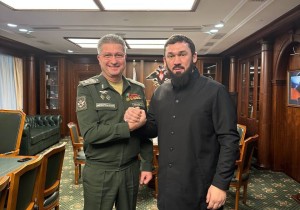
A source for the Chechen Cheka-OGPU and Rucriminal.info reported that "clouds are gathering" over the Chairman of the Supreme Court of Chechnya, Alavdin Gardaloev. This is all because of the Chechen court rulings, which allowed relatives of the head of the republic's government, Magomed Daudov (aka Lord), to seize 30 luxury cars from residents of various Russian regions—bona fide buyers. These rulings were issued before the Dolina apartment incident, but the scheme is the same. As a result, courts outside of Chechnya are now "playing back" this situation, pointing to the "schoolboy mistakes" of Chechen judges, including those in the republic's Supreme Court. According to the source, Gardaloev is simultaneously "blushing" in front of Lord, to whom he promised that the Fifth Court of Cassation would uphold the Chechen court rulings.
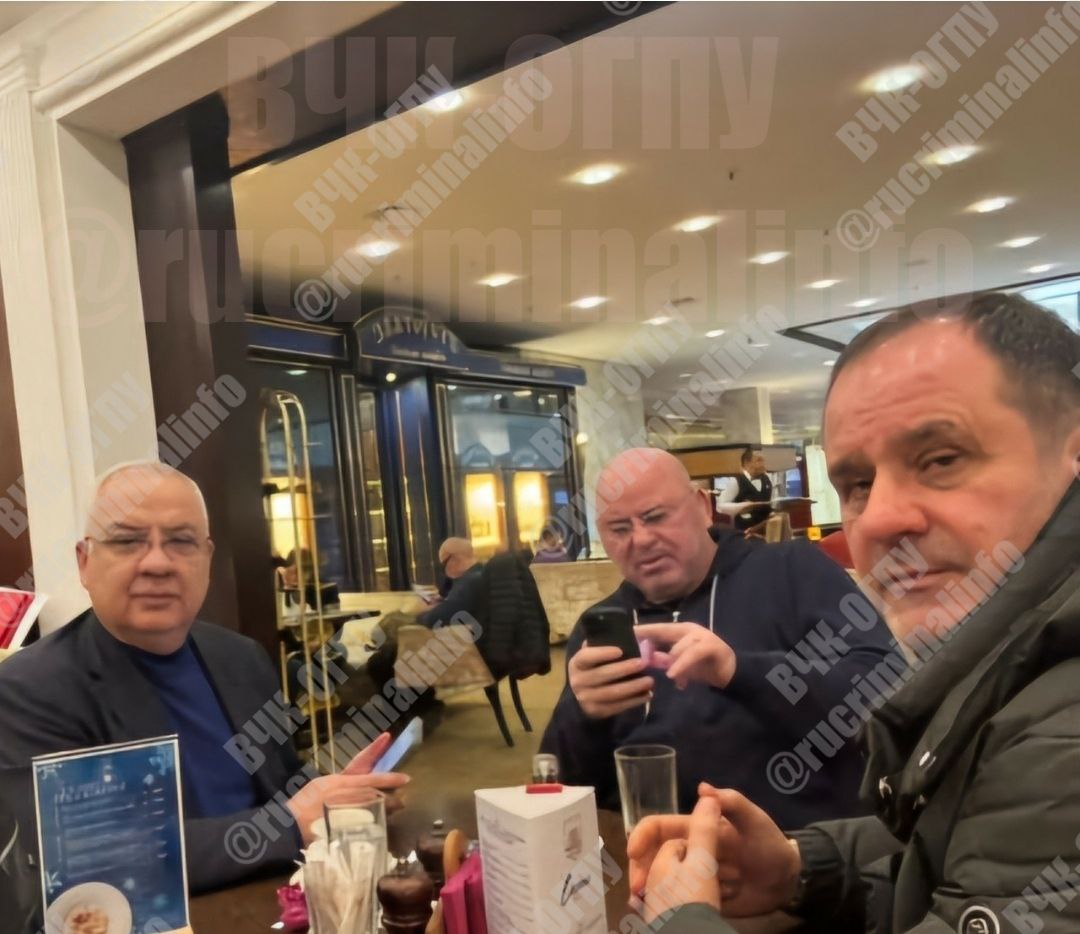
The Cheka-OGPU and Rucriminal.info examined the decision of the Fifth Cassation Court, and it is downright devastating for the Supreme Court of Chechnya. Here are just a few quotes about the actions of the court headed by Gardaloev:
"Procedural law was violated by changing...at its own discretion the establishment of circumstances relevant to the proper resolution of the dispute...the inconsistency of the operative part of the court's decision."
"The burden of proving both ownership of the disputed property and the fact of the property's disposal against the owner's will should be placed, in the dispute under consideration, on the plaintiffs, A.E. Khakhaev...
However, the court did not examine any evidence confirming these circumstances and did not provide any justification for the decision."
"Incorrect application of substantive law by the trial court, incorrect establishment of circumstances relevant to the case, lack of evidence."
And so on and so forth.
Let's recap the gist of this story.
Chechen residents Kaimov, Tsagarev, and Khakhaev (two of whom are relatives of Daudov) used Lord's funds to purchase premium Audi, BMW, and Mercedes cars through Kazakhstan and Kyrgyzstan, reselling them through intermediaries from their home country in Moscow. In just seven months, more than 30 cars were sold and distributed throughout Russia. The transactions were completed with all necessary documentation, including registration with the State Traffic Safety Inspectorate (GAI), etc. However, Kaimov, Tsagarev, and Khakhaev then went to the Chechen Ministry of Internal Affairs and filed a complaint stating that they had never received any money for the cars from the intermediaries. They claimed that for seven months, the cars had been transferred one after another, without being paid for the entire time. The Chechen Ministry of Internal Affairs opened a case and seized the cars through the courts. They began confiscating them from bona fide buyers across Russia, transporting them to Chechnya, and handing them over to Kaimov, Tsagarev, and Khakhaev. Then, the Grozny District Court of Chechnya upheld the claims of these three residents of the republic to reclaim 30 cars from someone else's illegal possession. The Supreme Court of Chechnya upheld all decisions. Thus, the cars returned to Kaimov, Tsagarev, and Khakhaev. The most ironic thing is that the cars were never even officially registered to these three; in Chechnya, they were registered to front men. But the Chechen courts were unfazed and began referring to Kaimov, Tsagarev, and Khakhaev as the "actual owners" in their decisions. Only in the Fifth Court of Cassation did the bona fide purchasers succeed in overturning the Chechen courts' decisions.


